Loading... Please wait...

Our Newsletter


Sort by:

Summer Blooming

Wildflowers don't bloom on a specific timeline and dependent upon the geograhical location and the weather they can bloom in different seasons .  The following native perennials traditionally bloom in the months of June, July, and August.

  • EUPATORIUM PURPUREUM | Sweet Joe Pye
    $0.00 Choose Options EUPATORIUM PURPUREUM | Sweet Joe Pye
    "Sweet Joe Pye Weed, Boneset, Gravel-root, Hempweed, Jopi Root, Jopi Weed, Kidney Root, King-of-the-Meadow, Queen-of-the-Meadow, Marsh Milkweed, Motherwort, Quillwort, Skunk Weed, Stink  Trumpet Weed, Quillwort and...

  • EUPATORIUM PERFOLIATUM | Boneset
    $0.00 Choose Options EUPATORIUM PERFOLIATUM | Boneset
    "Boneset, Agueweed, Crosswort, Indian Sage, Thoroughwort, Throughwort" Greek, from the name of the King of Pontus, Eupator and perfoliatum from per (through) and folium (leaf) referring to the way the stem grows "through"...

  • EUPATORIUM MACULATUM | Joe Pye Weed
    $0.00 Choose Options EUPATORIUM MACULATUM | Joe Pye Weed
    Joe Pye Weed, Spotted Joe Pye Weed, King-of-the-Meadow, Queen-of-the-Meadow, Thoroughwort Perennial, 2 - 6 feet, stem purple or purple-spotted, purple-brown flowers in flat-topped clusters bloom from July through September...

  • EUPATORIUM COELESTINUM | Mist Flower
    $0.00 Choose Options EUPATORIUM COELESTINUM | Mist Flower
    Rather hairy plant from 3 to 6 feet. White blooms from late summer to first frost. Common in dry upland prairies, old fields and open woods. Does best where sites have been disturbed through intensive grazing...

  • EUPATORIUM ALTISSIMUM | Tall Boneset
    $0.00 Choose Options EUPATORIUM ALTISSIMUM | Tall Boneset
    Rather hairy plant from 3 to 6 feet. White blooms from late summer to first frost. Common in dry upland prairies, old fields and open woods. Does best where sites have been disturbed through intensive grazing...

  • ERYNGIUM YUCCIFOLIUM | Rattlesnake Master
    $0.00 Choose Options ERYNGIUM YUCCIFOLIUM | Rattlesnake Master
    "Rattlesnake Master, Button Snakeroot, Yucca-leaf Eryngo, Corn Snakeroot, Water-eryngo, Rattlesnake Flag, Rattlesnake Weed" Eryngium from the Greek word for "a prickly plant" and yuccifolium from the Greek word for yucca...

  • EPILOBIUM GLANDULOSUM | Northern Willow Herb
    $0.00 Choose Options EPILOBIUM GLANDULOSUM | Northern Willow Herb
    Northern willow Herb" Epilobium from the Greek meaning "upon or above the pod" referring to the manner in which the flowers keep blooming above the seed pods as they develop lower on the flower spike. An herbal tea made...

  • ECHINACEA PURPUREA | Purple Coneflower
    $0.00 Choose Options ECHINACEA PURPUREA | Purple Coneflower
    "Purple Coneflower, Black Samson, Red Sunflower" Echinacea from the Greek word for "sea urchin" or "hedgehog" referring to the spiny chaff at the center of these flowers. Purpurea also from the Greek for the word meaning...

  • Bush's Coneflower - Echinacea paradoxa
    $0.00 Choose Options ECHINACEA PARADOXA | Bush's Coneflower
    Echinacea from the Greek word for "sea urchin" or "hedgehog" referring to the spiny chaff at the center of these flowers. Paradoxa from the Latin, paradoxus for "strange" or "unexpected".   Click Here for Detailed...

  • Pale Purple Coneflower
    $0.00 Choose Options ECHINACEA PALIDA | Pale Purple Coneflower
    Echinacea from the Greek word for "sea urchin" or "hedgehog" referring to the spiny chaff at the center of these flowers. Pallida is from the latin word for "pale". Perennial; reaches 2 to 3 feet; leaves are mostly basal...

  • Narrow Purple Coneflower - Echinacea Angustifolia
    $0.00 Choose Options ECHINACEA ANGUSTIFOLIA | Narrow Purple Coneflower
    Narrow Purple Coneflower (Echinacea Angustifolia) - Found mostly in the northern portions of the Tallgrass Region on recently burned areas or where the soil has been disturbed. Blooms are purple to pink (rarely white) and...

  • Midland Shooting Star
    $0.00 Choose Options DODECATHEON MEADII | Midland Shooting Star
    "Midlanbd Shooting Star, American Cowslip, Birdbills, Johnny Jump, Pride-of-Ohio, Rooster Heads" Dodecatheon after the Greek word for "twelve Gods" and Meadii in honor of Dr. Richard Mead, early English physician and...

  • DESMODIUM ILLINOENSE | Illinoise Tick Trefoil
    $0.00 Choose Options DESMODIUM ILLINOENSE | Illinoise Tick Trefoil
    Desmodium from the Greek for "long branch or chain" and canadense meaning "of Canada". Favors moist or mesic portions of the Tallgrass Prairie, flowers from June through September. generally reaches about three feet, but...

  • DESMODIUM CANADENSE | Showy Tick Trefoil
    $0.00 Choose Options DESMODIUM CANADENSE | Showy Tick Trefoil
    Desmodium from the Greek for "long branch or chain" and canadense meaning "of Canada". Favors moist or mesic portions of the Tallgrass Prairie, flowers from June through September. generally reaches about three feet, but...

  • DESMANTHUS ILLINOENSIS | Illinois Bundleflower
    $0.00 Choose Options DESMANTHUS ILLINOENSIS | Illinois Bundleflower
    Illinois Bundleflower, Illinois Acacia, Prairie Mimosa, Pickle-weed" Common, almost weedy in disturbed prairies, pastures and sandy thickets. Averages 3 feet but can reach 5 feet or more with ideal conditions. Blooms from...

  • DECODON VERTICILLATUS | Swamp Loosestrife
    $0.00 Choose Options DECODON VERTICILLATUS | Swamp Loosestrife
    From the Greek "deca" for ten and "odus" for tooth; "verticillatus" from the the greek word meaning "whorled". Perennial, shrubby herb, a rare part of the northern Tallgrass region, being found only on the Paleozoic Plateau...

  • CROTALARIA SAGITTILIS | Rattlebox
    $0.00 Choose Options CROTALARIA SAGITTILIS | Rattlebox
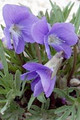
    "Rattlebox, wild Pea, Locoweed" Crotolaria from the Greek crotalon meaning "a rattle" in refernce to the loose seeds inside the pod. Sagittilis is from the Latin meaning "like an arrowhead" referring to the shape of the...

  • Tall Coreopsis - Coreopsis Tripteris
    $0.00 Choose Options COREOPSIS TRIPTERIS | Tall Coreopisis
    Coreopsis from the Greek meaning "having the appearance of a bug", referring to the buglike shape of the seeds. Found throughout the Tallgrass Region, blooms from June to September. C. tripteris can reach 10 feet under...

  • COREOPSIS TINCTORIA | Plains Coreopsis
    $0.00 Choose Options COREOPSIS TINCTORIA | Plains Coreopsis
    Coreopsis from the Greek meaning "having the appearance of a bug", referring to the buglike shape of the seeds. Found throughout the Tallgrass Region, blooms from June to September. Beekeepers use this species as a good...

  • COREOPSIS PALMATA | Prairie Coreopsis
    $0.00 Choose Options COREOPSIS PALMATA | Prairie Coreopsis
    Prairie Coreopsis, Tickseed, Stiff Tickseed, Stiff Coreopsis" Coreopsis from the Greek meaning "having the appearance of a bug", referring to the buglike shape of the seeds. Palmata means "palmate", like fingers radiating...

  • COREOPSIS LANCEOLATA | Lanceleaf Coreopsis
    $0.00 Choose Options COREOPSIS LANCEOLATA | Lanceleaf Coreopsis
    Coreopsis from the Greek meaning "having the appearance of a bug", referring to the buglike shape of the seeds. Found throughout the Tallgrass Region, large yellow flowers bloom from June through July. Beekeepers use this...

  • CLEMATIS VIRGINIANA | Virgin's Bower
    $0.00 Choose Options CLEMATIS VIRGINIANA | Virgin's Bower
    Virgin's Bower, Old Man's Beard From the Greek klema meaning "vine branch" and the Latin virginiana meaning "of Virginia". Blooms from May through August. White flowers with four shall petals and greenish-white sepals.The...

  • CHELONE GLABRA | Turtlehead
    $0.00 Choose Options CHELONE GLABRA | Turtlehead
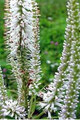
    Turtlehead, Balmony, Bitter Herb, Codhead, Fish Mouth, Shellflower, Snakehead, Snake Mouth, Turtlebloom Chelone from the Greek for tortoise and glabra from the Latin word meaning smooth, referring to lack of hairs or...

  • Buttonbush  | Cephalanthus Occidentalis Wildflower
    $0.00 Choose Options CEPHALANTHUS OCCIDENTALIS | Buttonbush
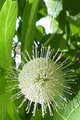
    Buttonbush, Common Buttonbush, Globeflowers, Honey-balls, Pond Dogwood, Swamp Sycamore From the Greek kephale meaning head and occidentalis meaning western or of the western hemisphere. Found in most of the northeastern...

  • CELASTRUS SCANDENS | Bittersweet
    $0.00 Choose Options CELASTRUS SCANDENS | Bittersweet
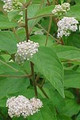
    Climbing Bittersweet, Climbing Orange Root, Fever Twig, Fever Twitch, Staff Vine, Waxwork From the Greek for a type of evergreen plant and scandens from the Latin for climbing. Found throughout the Tallgrass region,...

  • CEANOTHUS AMERICANUS | New Jersey Tea
    $0.00 Choose Options CEANOTHUS AMERICANUS | New Jersey Tea
    Ceanothus from an ancient name, the meaning of which has been lost and from americanus meaning "of America". Found on prairies and prairie remnants and along the borders of woods and rocky sites. Blooms from late May to...

  • CASTELLIJA COCCINEA | Indian Paintbrush
    $0.00 Choose Options CASTELLIJA COCCINEA | Indian Paintbrush
    Indian Paintbrush (Castellia Coccinea (Indian Paintbrush) is currently found infrequently in open woodlands and meadows. Blooms bright red from May to August. The roots of this plant can penetrate the roots of other plants,...

  • CASSIA MARILANDICA | Maryland Senna
    $0.00 Choose Options CASSIA MARILANDICA | Maryland Senna
    Maryland Senna, Yellow flowers about 1" across, grows in moist open areas along prairie streams, open moist thickets and shaded areas in southern part of the Tall grass Region into northern Illinois and Iowa. Can reach 6...

  • CASSIA  HEBECARPA | Wild Senna
    $0.00 Choose Options CASSIA HEBECARPA | Wild Senna
    Grows to 4 feet in favorable conditions on stream banks and in open woods from July to August.   Click Here for Detailed Info Sun...

  • CASSIA FASCICULATA| Partridge Pea
    $0.00 Choose Options CASSIA FASCICULATA| Partridge Pea
    Golden Cassia, Large-flowered Sensitive Pea, Prairie Senna, Senna Pea, Wild Sensitive Plant. Chaemacrista from the Greek word meaning "low crest"; fasciculata from the Latin word meaning "grouped together in bundles", most...

  • CAMPANULA AMERICANA | Tall Bellflower
    $0.00 Choose Options CAMPANULA AMERICANA | Tall Bellflower
    Campanula comes from the Latin campana and means "little bell". Americana means "of America" meaning the first identification of this species happened in America. Many branches on a slender, straight stem produce these...

  • BROMUS CILIATUS | Fringed Brome
    $0.00 Choose Options BROMUS CILIATUS | Fringed Brome
    (PLS) Fringed Brome (Bromus Ciliatus) has a drooping florets oat-like appearance. Cool-season, clump-forming grass. Often with conifers such as cedars Drooping florets oat-like appearance. Cool-season, clump-forming grass...

  • BOUTELOUA GRACILIS | Blue Grama
    $0.00 Choose Options BOUTELOUA GRACILIS | Blue Grama
    (PLS) Blue Grama (Bouteloua Curtipendula) is an important, drought-resistant, short grass in the mixed prairies and throughout the Great Plains and Southwest. It can be confused with Hairy grama Grass (B.hirusta), which is...

  • BOLTONIA ASTEROIDES | False Aster
    $0.00 Choose Options BOLTONIA ASTEROIDES | False Aster
    White to pink ray flowers and dome-shaped yellow disk flowers blooming from July through October; grows from 1 to 5 feet and prefers sandy or gravelly wet to moist places from Saskatchewan and Manitoba to Maine and south to...

  • BIDENS CERNUA | Nodding Bur Marigold
    $0.00 Choose Options BIDENS CERNUA | Nodding Bur Marigold
    From the Latin bidens meaning "two-toothed" and cernua meaning "nodding". Common to open mudflats, marsh edges, wet ditches and streambanks throughout the Tallgrass region. Blooms from late August until the firost. Can...

  • $0.00 Choose Options BECKMANNIA SYZIGACHNE | American Slough Grass
    American sloughgrass (Beckmannia Syzigachne) is characteristically found in damp habitats such as wet ground or shallow water and at the margins of ponds, lakes, and streams but may also grow along ditches. It is considered...

  • BAPTISIA LEUCOPHAEA | Cream Wild Indigo
    $0.00 Choose Options BAPTISIA LEUCOPHAEA | Cream Wild Indigo
    Cream Wild Indigo (Baptisia Leuchophaea) is found on prairies throughout the Tallgrass region with cream-colored, drooping 1- to 2-inch flowers on a one foot spike from May to June. Can reach 3 feet in height, but is...

  • BAPTISIA LEUCANTHA | White Wild Indigo
    $0.00 Choose Options BAPTISIA LEUCANTHA | White Wild Indigo
    From the Greek baptizein meaning "to dye"; refers to the historical economic use as a poor indigo dye and leucantha, meaning "white-flowered". White Wild Indigo (Baptisia leucantha) is found throughout the Tallgrass Prairie...

  • BAPTISIA AUSTRALIS | Blue Wild Indigo
    $0.00 Choose Options BAPTISIA AUSTRALIS | Blue Wild Indigo
    From the Greek baptizein meaning "to dye"; refers to the historical economic use as a poor indigo dye.and "Australis", of Australia. Found on prairies throughout the Tallgrass region, this species is the more southerly...

  • ASTER UMBELLATUS | Flat Topped Aster
    $0.00 Choose Options ASTER UMBELLATUS | Flat Topped Aster
    From the Greek, "Aster" in reference to the shape of the flower and its bracts. At least 200 species are found across North America with dozens in the Tallgrass Praire region alone. Found throughout the Tallgrass Prairie...

  • ASTER SIMPLEX | Panicled Aster
    $0.00 Choose Options ASTER SIMPLEX | Panicled Aster
    From the Greek, "Aster" in reference to the shape of the flower and its bracts. At least 200 species are found across North America with dozens in the Tallgrass Praire region alone. Found throughout the Tallgrass Prairie...

  • ASTER  SHORTII | Short's Aster
    $0.00 Choose Options ASTER SHORTII | Short's Aster
    From the Greek, "Aster" in reference to the shape of the flower and its bracts. At least 200 species are found across North America with dozens in the Tallgrass Praire region alone. Found throughout the Tallgrass Prairie...

  • ASTER SAGITTIFOLIA | Arrow Leaved Aster
    $0.00 Choose Options ASTER SAGITTIFOLIA | Arrow Leaved Aster
    From the Greek, "Aster" in reference to the shape of the flower and its bracts. At least 200 species are found across North America with dozens in the Tallgrass Praire region alone. Found throughout the Tallgrass Prairie...

  • ASTER PUNICEUS | Swamp Aster
    $0.00 Choose Options ASTER PUNICEUS | Swamp Aster
    From the Greek, "Aster" in reference to the shape of the flower and its bracts. At least 200 species are found across North America with dozens in the Tallgrass Praire region alone. Found throughout the Tallgrass Prairie...

  • ASTER PTARMICOIDES | Upland White Aster
    $0.00 Choose Options ASTER PTARMICOIDES | Upland White Aster
    From the Greek, "Aster" in reference to the shape of the flower and its bracts. At least 200 species are found across North America with dozens in the Tallgrass Praire region alone. Found throughout the Tallgrass Prairie...

  • ASTER NOVAE-ANGLIAE | New England Aster
    $0.00 Choose Options ASTER NOVAE-ANGLIAE | New England Aster
    From the Greek, "Aster" in reference to the shape of the flower and its bracts. At least 200 species are found across North America with dozens in the Tallgrass Praire region alone. Also known as Symphotrichum novae-angliae...

  • ASTER LAEVIS | Smooth Blue Aster
    $0.00 Choose Options ASTER LAEVIS | Smooth Blue Aster
    From the Greek, "Aster" in reference to the shape of the flower and its bracts. At least 200 species are found across North America with dozens in the Tallgrass Praire region alone.   Click Here for...

  • ASTER ERICOIDES | Heath Aster
    $0.00 Choose Options ASTER ERICOIDES | Heath Aster
    From the Greek, "Aster" in reference to the shape of the flower and its bracts. At least 200 species are found across North America with dozens in the Tallgrass Praire region alone     Click Here...